Behind the Edit: Ten Years Too Late at Ruckus Festival
Before I say anything else, here's the finished edit.
Normally my edits lean into darker colours, film grain and overlays. Sometimes I wonder whether all the extra layers end up distracting from the footage itself. Maybe it's some sort of imposter syndrome. Maybe, subconsciously, I'm trying to hide behind the edit instead of trusting what I've captured.
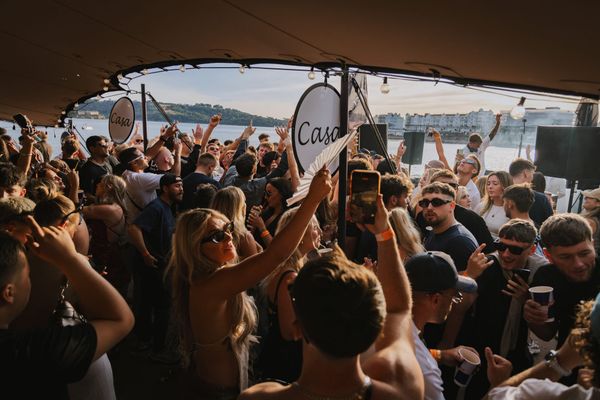
In my opinion, my usual editing style suits the kind of venues I mostly shoot in. But Ruckus was different. It was bright, sunny, colourful and you could see the crowd. In my opinion, a grungy edit would've felt out of place, so I kept this one much cleaner than I normally would. The funny thing is, whenever I edit like this, I always find myself doubting it. I look at other photographers and videographers who produce these beautifully crisp edits and wish I could achieve the same confidence in my own work.
Because I wanted this edit to feel a little different, I organised for a drone operator to capture footage of the set from above. I couldn't get him access to the festival, but there aren't any tickets on sale for the airspace above it, so he parked up outside, launched the drone and captured some great shots.
As much as I was happy with at least half of the footage I shot, the shoot itself definitely had its challenges. In the usual setting of dark venues, getting enough light is the biggest problem. Ruckus was almost the complete opposite.
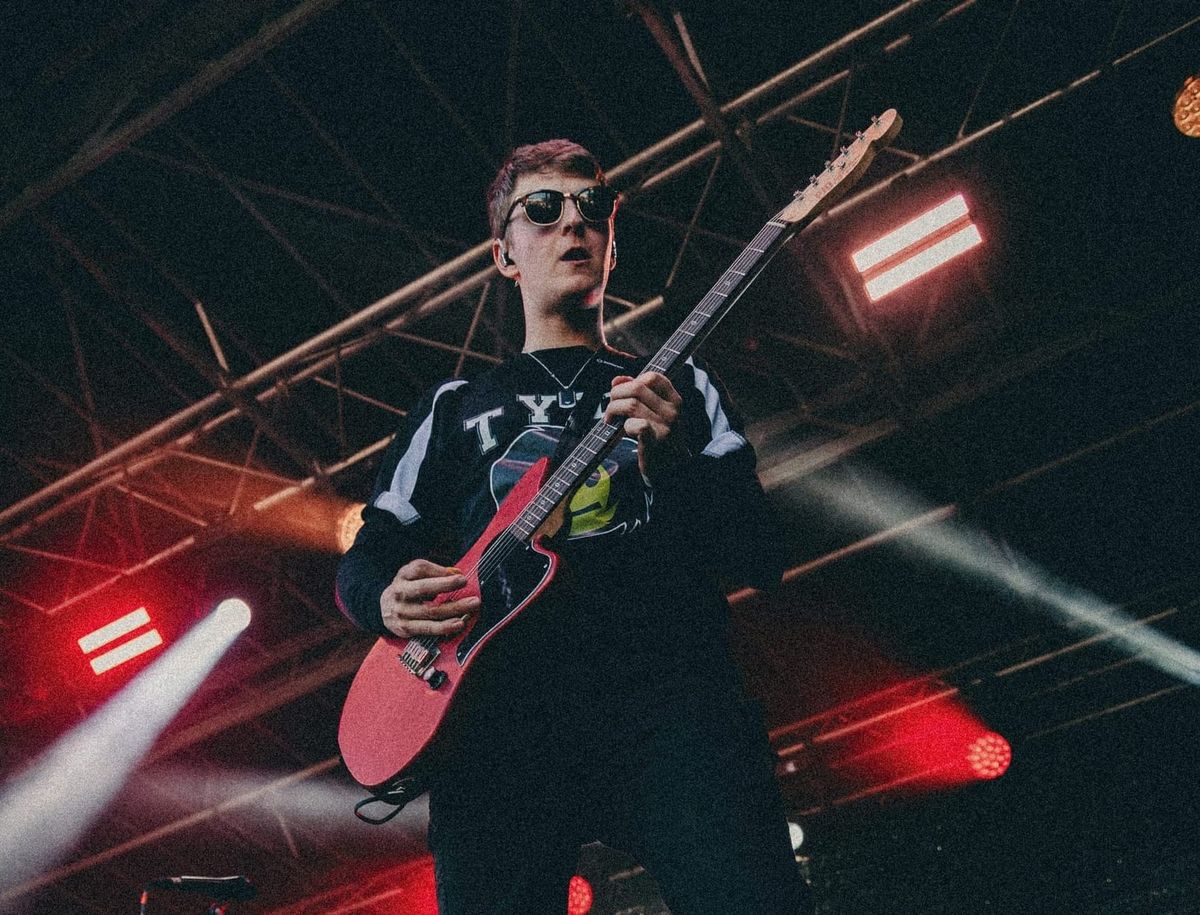
Standing on stage looking out, the band and the section of crowd nearest the stage were lit beautifully. Everything beyond that was sitting in harsh sunlight. I had a choice: expose for the crowd and leave the band underexposed, or expose for the band and accept that parts of the audience would blow out.
I chose the latter. After all, I was there to capture content for Ten Years Too Late.
Looking back, I still think it was the right decision, but it's one of those situations where there isn't really a perfect answer. I spent far longer than I'd like to admit trying to recover detail from those highlights during the edit before eventually accepting that sometimes the conditions simply win.
If I could go back and shoot the set again, I'd probably spend more time in the pit.
The footage from down there looks fantastic. The colours are richer, the exposure is easier to manage, and it gave me exactly the clean look I was aiming for. Instead, I stuck to my original plan of splitting my time roughly fifty-fifty between the pit and behind the band on stage.
I don't regret it because photos from the pit are something I can get at almost every show. Standing behind a band playing to around 1,500 people in a rugby stadium in Plymouth is a much rarer opportunity. Those wide shots showing the crowd from the band's perspective tell a story that pit photos simply can't.
That decision did make editing a little harder though. I found myself wishing I'd captured just a few more close-up clips to help carry the pace of the edit. If you watch closely, you might even spot one clip that's been duplicated and reversed just to squeeze a couple more seconds out of it.
This edit reminded me that putting extra effort into something doesn't necessarily mean adding more effects, more overlays or making it more complicated. Sometimes the challenge is doing less, trusting what you've captured and letting the footage speak for itself which I hope this edit does. There's still some CRT lines overlaid, and a few Super 8 style burns, but I've tried to keep it to a minimum rather than letting them become the focus.
I'm still my own biggest critic, and I probably always will be. I don't think that's entirely a bad thing. Being critical of my own work is one of the reasons I've improved over the years.
This time, though, I think the biggest lesson was that maybe sometimes less is more.
If you missed my write-up and photo showcase about my weekend working at Ruckus Festival shooting Ten Years Too Late on the Friday, and returning on Saturday in the capacity of artist liaison, then you can read that here.